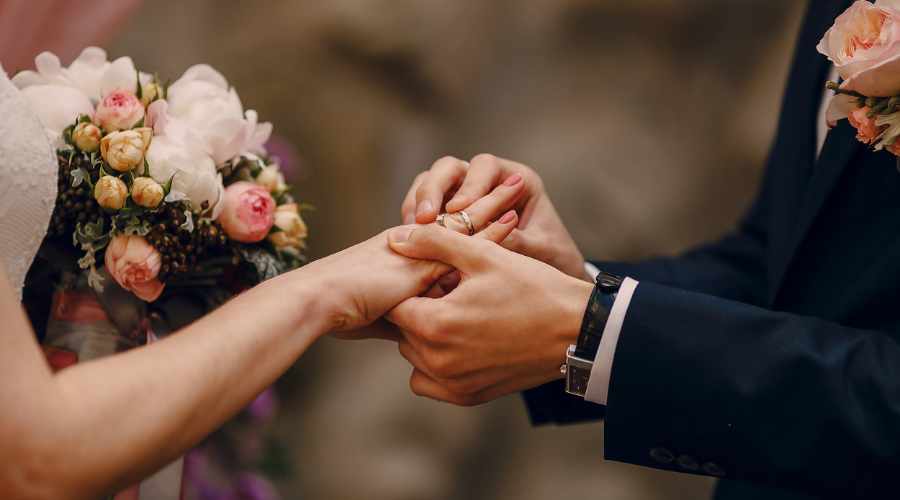
Marriage is an adventure many of us dream of, and choosing the United Kingdom as your matrimonial destination makes the experience even more enchanting.
Whether you're drawn to the historic charm of the British Isles or have found love in the bustling cityscapes, tying the knot in the UK as a foreign national opens the door to a unique blend of tradition and culture.
Note: The notice rules in this guide apply to marriages and civil partnerships in England and Wales. Scotland and Northern Ireland have their own procedures, so check with the registrar there if you plan to marry in either.
Table of Contents
Legal requirements for getting married in the UK
There is a long list of legal requirements you must meet before you can get married in the UK, and it may seem like a lot to figure out, but with the right legal aid and information, you can get it done. Let's go through the requirements.
Visa requirements and immigration control
The first step for foreign nationals planning to marry in the UK is sorting out the appropriate UK visas for both partners. If you are subject to immigration control in the UK, giving notice of a marriage or civil partnership comes with specific rules. Here's what you need to know:
1. Coming from overseas
If you're entering the UK from abroad to get married, you must have either a fiancé or fiancée visa or a UK marriage visitor visa in your passport before giving notice. Don't give notice of your marriage if you're in the country as a Leisure, Standard Tourism, or Family Visitor. This also applies to non-visa nationals and people with multiple-entry visas.
Don't give notice of your marriage if you're in the country as a Leisure, Standard Visitor, or Family Visitor. This also applies to non-visa nationals and people with multiple-entry visas.
If you’re from a country whose citizens don’t need a visa to visit the UK, an Electronic Travel Authorisation (ETA) isn’t enough to marry or give notice. You still need a Marriage Visitor visa.
2. Already in the UK
If you’re already in the UK on a visa other than a visitor visa, you can give notice, but you must show evidence of your immigration status. If you can’t show settled status, the register office will refer your notice to the Home Office, which may extend the waiting period to 70 days while it investigates.
Exemptions: You don’t go through the Home Office referral process if you are a “relevant national”:
a British citizen
an Irish citizen
someone with settled or pre-settled status under the EU Settlement Scheme, or with a pending application submitted before 30 June 2021
EU, EEA and Swiss citizens without EU Settlement Scheme status are subject to immigration control like other foreign nationals. If you have EU Settlement Scheme status or Indefinite Leave to Remain, you’ll need to give the registrar a share code from GOV.UK at your notice appointment.
Choosing the right UK marriage visa
Choosing the right visa for your wedding is one of the most important steps. Take time to review the relevant immigration options, as mistakes in your visa application could cause it to be refused or delayed.
1. Marriage or civil partnership visit visa
The Marriage or Civil Partnership Visit visa is for individuals who want to visit the United Kingdom to marry or to form a civil partnership, or give notice of a marriage or civil partnership, in the UK. This visa does not lead to UK settlement, so if you want to settle in the UK, you need to make a different application.
Requirements for a marriage visa or civil partnership visa
To qualify for a marriage or civil partnership visit visa, you must prove that:
You are at least 18 years old.
You are in a genuine relationship with your partner.
You intend to marry or form a civil partnership or give notice of marriage or civil partnership in the UK, within six months of your arrival.
You are genuinely seeking entry to the UK for this purpose.
You will not partake in any prohibited activities.
You have enough funds to cover all costs of your visit without working or accessing public funds.
You will visit and leave the UK within 6 months.
You will not live in the UK for extended periods through frequent or successive visits, or make the UK your main home.
Your application does not fall under the general grounds for refusal.
2. Fiancée visa
The British Fiancée visa is for those who want to get married and stay in the UK, and their partner is either British or has Indefinite Leave to Remain in the UK.
The visa is initially granted for six months to allow for the wedding. If you can't get married in that time, you can extend it. After marriage, you can switch to the Spouse Category visa without leaving the UK.
Requirements for a UK fiancé visa
Prove that you plan to settle permanently in the UK with your partner.
Prove that your UK partner earns at least £29,000 per year.
Alternatively, show that you have enough savings to make up the difference. If you rely on savings alone, you need £88,500, which is £16,000 plus 2.5 times the £29,000 income requirement. Earnings from shares, property, or pensions are accepted, and you can combine different types of earnings with savings to meet the requirements.
Each document you submit must be up to date.
Note: Getting married in the UK as a foreigner involves making two immigration applications in a short time. Under the fees in force from 8 April 2026, the fiancé visa costs £2,064 from outside the UK, and switching to a spouse visa inside the UK after the wedding costs £1,407. The fiancé visa has no Immigration Health Surcharge because it lasts six months, but you pay the £1,035-per-year surcharge upfront for the full spouse visa period.
3. Spouse visa application
The spouse visa is for people who are already married. An alternative is to get married outside the UK and then apply directly as a Spouse. This can save money as it avoids making two separate visa applications.
Requirements for UK spouse visa:
Your partner must be a British or Irish citizen, have settled status in the UK (such as Indefinite Leave to Remain or settled status under the EU Settlement Scheme), have pre-settled status under the EU Settlement Scheme as an EU, Swiss, Norwegian, Icelandic or Liechtenstein citizen who started living in the UK before 1 January 2021, hold a Turkish Businessperson or Turkish Worker visa, or have refugee status or humanitarian protection.
Both of you must be over 18.
Both of you must not be within a prohibited degree of relationship.
You must have met in person.
You should be able to prove that you are legally married or in a civil partnership recognized in the UK.
Prove that you are in a genuine and continuing relationship.
You must intend to reside permanently in the UK together.
Prove that previous relationships have permanently ended.
Prove that you are a fiancé, fiancée, or proposed civil partner and will marry or enter into a civil partnership in the UK within 6 months of arriving
Prove that you meet the UK government's financial requirements.
Prove that you have sufficient accommodation for you and your dependents.
You, the applicant, must prove your knowledge of English to at least level A1, unless you are exempt.
The spouse visa costs £2,064 if you apply from outside the UK, plus the Immigration Health Surcharge.
Note: Specific requirements may vary based on individual circumstances. Consider seeking advice from an immigration lawyer for personalized guidance. For further and more detailed information on marital visas and how to prove certain statuses, consult the website of the Government of the United Kingdom.
Getting married in the UK as a foreigner
How to get married as a foreigner in the UK
Now that we've covered what you need to begin the marriage process, let's go through the steps you need to take to get the show on the road.
Check visa requirements: We’ve covered the different visas for the purpose of marriage. Do your research and choose the appropriate visa for your situation.
Give notice at the register office: You must give notice of your intent to marry at least 28 clear days before the wedding, and up to a year before. If either of you is subject to immigration control, you must give notice together, in person, at the register office in the district where at least one of you has lived for at least 7 full days. If your notice is referred to the Home Office, the waiting period can be extended to 70 days, so don’t book your ceremony date until you know which applies. Giving notice costs £42 per person, or £57 per person if a Home Office referral is needed.
Have the necessary documents handy: We've covered all the documentation needed to get married in the UK, such as passports, proof of residence, proof of marital status, etc. Provide them whenever needed. You may need to show your biometric residence permit if required. Instead of a biometric residence permit, you will now show your eVisa by giving the registrar a share code from GOV.UK. If you were divorced abroad, bring your foreign divorce documents with a translation, as the register office charges a fee to check them. Any document that isn’t in English needs a certified translation.
Choose a venue: After you have sorted out all the paperwork and legal issues with the authorities, you can now plan your wedding. Choose a venue you love for the ceremony. This could be a Register office, an approved venue, or a religious building. Your notice covers only the venue you named when you gave it, so if you change venues later, you’ll need to give notice again.
Book the ceremony: Schedule the wedding ceremony at the chosen venue. Some venues may have waiting lists, so plan well in advance.
Attend your wedding ceremony: You can finally attend your wedding ceremony and be joined to your beloved partner. Both of you must attend the wedding ceremony along with two witnesses.
Sort out legal formalities: The ceremony will include some legal formalities, and the marriage will be registered.
Notify your home country: Inform your respective embassies or consulates about your marriage, especially if you plan to continue living in the UK or need to update your marital status in your home country. Your home country may ask for your UK marriage certificate with an apostille and a translation into its official language.
How can Translayte help you tie the knot seamlessly?
Our guide to getting married in the UK as a foreigner has walked you through the legal checklist and nitty-gritty of the process, from understanding visa requirements to sorting out the steps.
Every detail matters when planning a wedding, so seek expert advice at every step. For accurate and personalised guidance on certified translation services or any language-related needs during this process, consider Translayte.
Our team of certified translators is here to assist you, ensuring language is not a barrier on this memorable journey. Request a free quote to get started.

 in the UK.png)